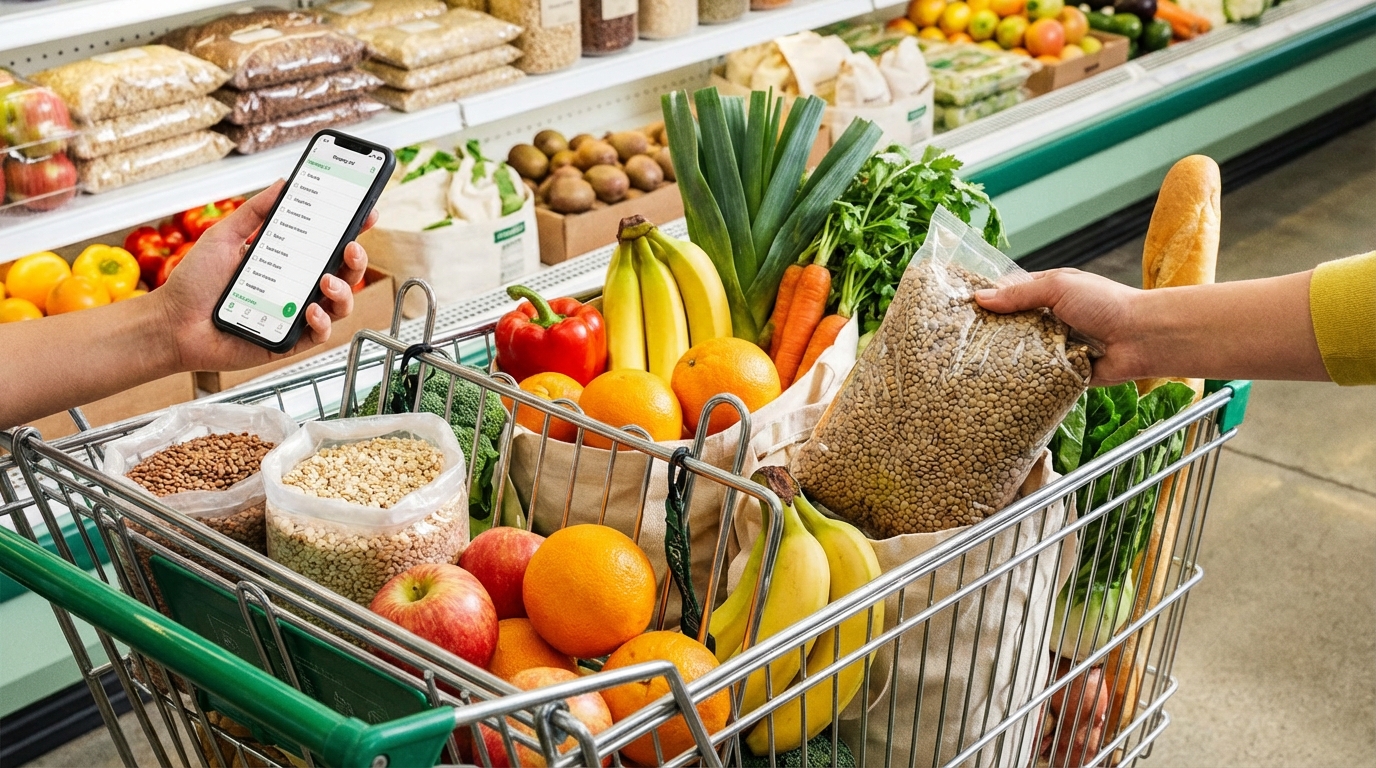
Introduction: The Rising Cost of Eating
Does the final total at the grocery store checkout register make you wince lately? You are certainly not alone. In recent times, the cost of living has soared, and nowhere is this felt more acutely than in our weekly food bills. What used to be a routine errand has turned into a source of financial anxiety for countless households. We watch as the prices of staples—eggs, milk, bread, and fresh produce—creep up week after week, while our paychecks remain largely stagnant.
The daily problem is clear: we need to eat, and we want to feed our families nutritious, enjoyable meals, but the current economic climate makes this increasingly difficult without sacrificing other financial goals. The stress of overspending on food can bleed into other areas of life, causing debt to accumulate and savings to dwindle. It feels like a constant battle against inflation just to put dinner on the table.
However, surrender is not an option. The solution lies in shifting our approach from passive consuming to active, strategic purchasing. By implementing proven grocery shopping hacks to cut your budget, you can regain control over your finances without consigning yourself to a diet of instant ramen. This comprehensive guide will walk you through practical, impactful strategies to slash your grocery bill significantly. The benefits extend beyond just having more cash in your wallet at the end of the month; it’s about reducing food waste, eating healthier through better planning, and eliminating the stress associated with grocery shopping.
Phase 1: The Pre-Shop Strategy (Where the Real Battle is Won)
Many people believe that saving money happens inside the store. In reality, 80% of the savings are secured before you even grab a cart. Going into a grocery store without a plan is like heading into a wilderness without a map; you will get lost, and you will spend more resources than necessary.
Mastering the Art of Meal Planning
If you take only one piece of advice from this entire guide, let it be this: commit to weekly meal planning. It is the cornerstone of frugal grocery shopping. Without a plan, you are susceptible to impulse buys, ordering expensive takeout because you have “nothing to eat,” and letting fresh ingredients rot in the fridge because they had no designated purpose.
Meal planning doesn’t have to be rigid or overwhelming. Start by mapping out dinners for the week. Look at your calendar—on busy nights, plan for a 20-minute meal or a slow-cooker recipe. On freer evenings, perhaps you can tackle something more involved. Once your meals are defined, create a precise shopping list based only on those ingredients.
Shop Your Pantry and Freezer First
Before you write a single item on your new shopping list, open your cupboards, fridge, and freezer. We often suffer from “food amnesia,” forgetting the half-box of pasta, the frozen vegetables, or the canned beans hidden in the back. Base your weekly meal plan around what you already have. This practice, often called a “pantry challenge,” ensures you are rotating through your stock and not buying duplicates. If you have rice and frozen peas, you are already halfway to a fried rice dinner; you just need to buy eggs and maybe some soy sauce.
The Non-Negotiable Rule: Never Shop Hungry
It sounds cliché, but the science behind it is solid. When you shop hungry, your brain switches into survival mode, craving high-calorie, instant-gratification foods. You become significantly less price-sensitive and more prone to impulse purchases that aren’t on your list. Everything looks delicious, and your cart will fill up with snacks and treats that destroy your budget. Eat a solid meal or a filling snack before you head out. You will find it much easier to stick to your list with a full stomach.
Phase 2: In-Store Tactics and Execution
Once you have your plan and your list, and you are well-fed, it’s time to enter the store. Supermarkets are psychologically designed to make you spend money. From the lighting to the layout, every element is engineered to encourage impulse buys. You need to walk in with a strategy to counter their tactics.
Embrace Generic and Store Brands
One of the easiest grocery shopping hacks to cut your budget is to shed brand loyalty. Marketing has convinced us that national brands are superior in quality, but this is rarely the case. Often, store-brand products (also known as private label or generic) are manufactured in the exact same facilities as the name brands, just packaged differently.
Staples like flour, sugar, salt, canned vegetables, spices, and dairy products are virtually indistinguishable between generic and name brands. Switching to store brands can instantly shave 20% to 30% off your total bill without any noticeable difference in taste or quality. Challenge yourself to try the generic version of everything you buy; you can always switch back if you truly prefer the expensive one, but more often than not, you won’t.
Become a Master of Unit Pricing
Grocery stores use confusing packaging sizes to mask the true cost of items. A larger box doesn’t always mean a better deal. To cut through the noise, you must learn to read the unit price.
The unit price is usually located on a small sticker on the shelf beneath the product, detailing the cost per ounce, per pound, or per count. For example, a 16-ounce box of cereal might be on sale for $4.00, while a massive 32-ounce family size is $7.50. At first glance, the $4.00 box seems cheaper. However, the unit price will reveal that the small box is $0.25 per ounce, while the large box is roughly $0.23 per ounce. The larger box is the better value in the long run. Always compare unit prices, especially when items are on “sale.” Sometimes a sale price on a small item is still more expensive per unit than the regular price of a larger size.
Understand Sales Cycles and Loss Leaders
Grocery stores operate on predictable sales cycles, usually rotating every 6 to 12 weeks. When a staple item like chicken breasts or your favorite cereal hits its lowest price point, that is the time to stock up (within reason—don’t hoard more than you can use before it expires). This is called creating a “stockpile price book,” where you track the lowest prices of items you buy regularly so you know a real bargain when you see it.
Furthermore, beware of “loss leaders.” These are items heavily advertised on the front page of the flyer, sold at or below cost to get you into the store. The store is betting that once you are inside to buy cheap eggs, you will also buy full-priced milk, bread, and snacks. The hack here is to cherry-pick the loss leaders from different stores if you have the time, or discipline yourself to buy only the loss leaders and your planned list items at one store, ignoring everything else.
Shop the Perimeter (Mostly)
A general rule of thumb for healthier and often cheaper shopping is to stick to the store’s perimeter. This is typically where fresh produce, meats, and dairy are located. The inner aisles are populated with highly processed, packaged foods which are not only less healthy but often more expensive per calorie. While you will need to venture into the aisles for staples like rice, beans, and spices, try to minimize your time in the snack and soda aisles where budget-killers lurk.
Phase 3: Utilizing Technology and Modern Tools
We live in a digital age, and your grocery strategy should reflect that. There are numerous apps and services designed specifically to help you save money on food.
Digital Coupons and Store Loyalty Apps
The days of clipping paper coupons are mostly gone. Today, almost every major grocery chain has a mobile app offering digital coupons that you can “clip” to your loyalty card instantly. Before you shop, spend ten minutes scrolling through the store’s app and loading coupons for items currently on your list. Furthermore, these apps often provide personalized offers based on your past purchase history, giving you discounts on things you actually buy.
Cashback Apps
Third-party cashback apps are another layer of savings. These apps partner with brands and retailers to offer rebates on specific products. After your shopping trip, you simply scan your receipt into the app, and cash is deposited into your account. While it might seem like small change—fifty cents here, a dollar there—it adds up significantly over a year. Some apps even offer cashback for purchasing any receipt from a grocery store, regardless of what you bought.
The Hack of Online Grocery Pickup
Paradoxically, sometimes paying a small fee (or nothing, depending on the store policy) for someone else to shop for you is a massive money-saver. Online grocery pickup eliminates impulse buying entirely. You sit at your computer with your meal plan, add exactly what you need to your digital cart, and see a running total of your spending. There is no walking past the bakery smelling fresh cookies, no tempting end-cap displays, and no whining children begging for treats. You stick rigidly to your budget. The time saved and the impulse buys avoided often far outweigh any service fees.
Phase 4: Food Management and Waste Reduction
Reducing your grocery budget isn’t just about buying cheaper food; it’s about wasting less of the food you do buy. The average household throws away a staggering amount of edible food every year, which is essentially throwing money directly into the trash.
Understand Date Labels
One of the biggest drivers of food waste is confusion over date labels. “Best By,” “Sell By,” and “Use By” dates are generally indicators of quality, not safety (with the exception of infant formula). Food doesn’t magically become toxic at midnight on the “Best By” date. Use your senses—smell, sight, and taste—to determine if food is still good. Trusting your senses over arbitrary dates can save you hundreds of dollars a year in perfectly good food that would otherwise be discarded.
Proper Storage Matters
Learning how to store produce correctly can double its lifespan. For example:
- Treat herbs like asparagus like bouquets of flowers; trim the stems and place them upright in a glass of water in the fridge.
- Wrap celery in aluminum foil to keep it crisp for weeks.
- Keep potatoes and onions separated; storing them together makes them both spoil faster.
- Understand which fruits produce ethylene gas (like apples and bananas) and keep them away from ethylene-sensitive produce (like leafy greens).
Investing a little time in learning storage techniques protects your investment in fresh food.
Embrace “Cook Once, Eat Twice” and Leftover Makeovers
Viewing leftovers as “old food” is a budget mistake. View them as ingredients for tomorrow’s meal. Roast a whole chicken for Sunday dinner, and use the leftover meat for tacos on Monday and soup on Tuesday. Cook a large batch of rice or quinoa to serve as a side dish one night, and use the rest for fried rice or grain bowls later in the week. Intentionally planning for leftovers reduces the amount of time you spend cooking and ensures every bit of food you buy gets eaten.
The Meatless Meal Hack
Meat is often the most expensive component of any grocery bill. By incorporating more plant-based meals into your diet—even just one or two nights a week—you can realize significant savings. Legumes like lentils, beans, and chickpeas are incredibly cheap, nutritious, and filling protein sources. Eggs and tofu are also excellent, budget-friendly alternatives to expensive cuts of beef or pork. You don’t have to become a vegetarian to benefit financially from eating like one occasionally.
Conclusion: Reclaiming Your Financial Freedom
Implementing these grocery shopping hacks to cut your budget is not about deprivation; it is about intentionality. It’s about refusing to let inflation dictate your financial well-being and taking back control of where your money goes. By shifting your mindset, preparing adequately before you leave the house, executing smart tactics in the store, utilizing technology, and managing your food wisely at home, you can slash your grocery bill by hundreds of dollars a month.
Imagine what you could do with that extra money. It could go toward paying down debt, building an emergency fund, saving for a vacation, or investing for your future. The benefits of mastering your grocery budget ripple outwards, reducing financial stress and creating a sense of accomplishment. Start small—pick two or three hacks from this guide to implement this week. Once those become habits, add a few more. Over time, these small changes will compound into massive savings, proving that you can eat well and live abundantly without breaking the bank.